

Quick answer
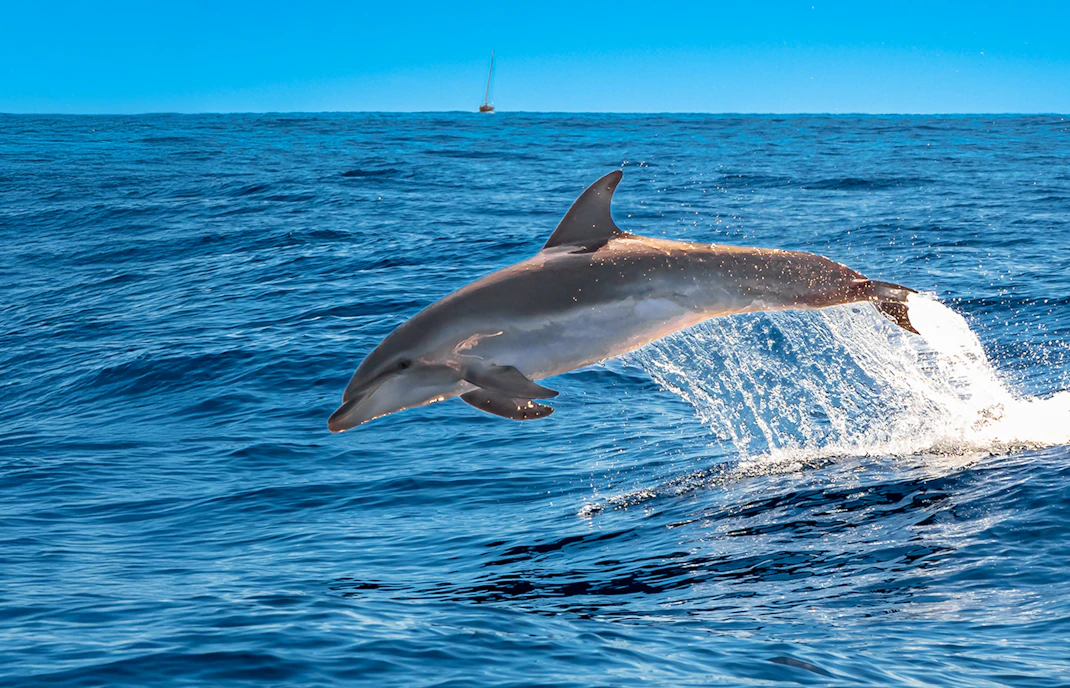
The Tenerife dolphin watching season operates year-round, with bottlenose dolphins and pilot whales present in resident populations throughout all twelve months. Peak viewing conditions occur between November and March when calmer seas and increased migratory activity bring higher sighting frequencies, though summer months from June to September offer consistently warm weather and excellent visibility despite slightly rougher Atlantic swells.
Five resident cetacean species inhabit the waters between Tenerife and La Gomera year-round, making the south-west coast one of Europe's most reliable marine mammal destinations. Bottlenose dolphins form stable pods in these volcanic shallows, while short-finned pilot whales maintain one of the Mediterranean's few permanent communities. Winter months between November and March deliver the tenerife dolphin watching season's most predictable conditions. Atlantic swells subside during this period, morning departures encounter glassy water, and migratory species pass through the channel. Rough-toothed dolphins appear more frequently from December through February, and striped dolphins move closer to shore when following baitfish schools. Water temperature drops to 19–20°C, but surface activity increases as feeding behavior intensifies. Summer brings warmer seas at 23–24°C and longer daylight, though afternoon winds pick up by midday. June through September maintains high sighting rates for resident species, but surface chop can reduce visibility and make smaller dolphins harder to spot at distance. Tour operators adjust routes based on real-time conditions, often heading toward the sheltered waters near Los Gigantes cliffs when swells build. Morning departures between 08:00 and 12:00 consistently outperform afternoon slots across all months. Cetaceans feed more actively in early hours, winds remain light, and tour boats encounter fewer competing vessels. Shoulder seasons in April–May and October offer a practical middle ground: moderate temperatures, lower tourist volume, and stable weather patterns that favor both sightings and passenger comfort. The channel's depth and nutrient upwelling sustain prey populations through every season, ensuring that dolphin watching in Tenerife remains viable regardless of when you visit.
“Five resident cetacean species inhabit the waters between Tenerife and La Gomera year-round, making the south-west coast one of Europe's most reliable marine mammal destinations.”
Understanding the Tenerife Dolphin Watching Season
Dolphin watching in Tenerife is a year-round activity due to the stable climate and resident populations. Morning hours consistently offer the calmest sea conditions, which optimizes visibility and observation opportunities.
Spring (March–May)
Moderate crowdsMild temperatures 18°C–24°C
Surface conditions are generally calm, providing stable observation environments. High activity levels often coincide with seasonal shifts.
Summer (June–August)
High crowdsWarm temperatures 24°C–29°C
Dolphins remain active, though sea traffic increases near the coast. Calmer waters are typically found during early morning excursions.
Autumn (September–November)
Moderate to low crowdsWarm temperatures 22°C–26°C
This period offers a balance of pleasant water temperatures and reduced vessel traffic. Marine life behavior remains consistent throughout these months.
Weekday mornings
Low to moderate—
The best arrival window is 08:00–12:00, as calmer morning seas significantly increase the likelihood of sightings.
Verdict: The best time to visit is during weekday mornings between 08:00–12:00 in April or October when sea conditions are calm and tourist density is lower.
Operating Hours During the Tenerife Dolphin Watching Season
Dolphin watching excursions in Tenerife operate daily throughout the year to accommodate visitors. These tours run continuously to provide access to wildlife observation opportunities.
| Monday | 00:00–23:59 | |
|---|---|---|
| Tuesday | 00:00–23:59 | |
| Wednesday | 00:00–23:59 | |
| Thursday | 00:00–23:59 | |
| Friday | 00:00–23:59 | |
| Saturday | 00:00–23:59 | |
| Sunday | 00:00–23:59 |
Costs and Fees for Tenerife Dolphin Watching Season Tours
Costs for dolphin watching in Tenerife depend on whether you choose to observe wildlife from the shore or participate in a professional boat excursion. While shore observation is free, boat tours require paid tickets to support vessel operations and conservation efforts.
Adults typically pay a variable rate for boat excursions, which is influenced by the tour provider, trip duration, and included amenities.
Reaching Departure Points for Tenerife Dolphin Watching Season
Dolphin watching departures are primarily located on the south-west coast of Tenerife at the ports of Puerto Colón, Los Cristianos, and Los Gigantes. These harbors are accessible via the TF-1 motorway and local bus lines.
Titsa line 467 to Puerto Colón
TF-1 motorway towards Adeje or Arona
Direct transfer to Los Cristianos or Puerto Colón
Key Facts About Tenerife Dolphin Watching Season Wildlife
The waters surrounding Tenerife host a diverse range of cetaceans, many of which reside in the area throughout the year. Understanding these species provides deeper insight into the local marine ecosystem.
21 resident species
The Canary Islands are home to 21 documented species of whales and dolphins, including both migratory and resident populations. Resident groups remain in these waters consistently due to the deep, nutrient-rich channels between islands.
Short-finned pilot whales
Globicephala macrorhynchus is the most commonly observed species in the south-west of Tenerife. These social mammals are known for their strong family bonds and travel in stable pods.
Bottlenose dolphins
Tursiops truncatus inhabit coastal waters and are frequently encountered near the island shores. They are recognized by their distinct dorsal fins and high level of intelligence.
Deep water habitats
The channel between Tenerife and La Gomera reaches depths of over 2,000 meters. This unique topography attracts deep-diving species such as sperm whales.
Dietary habits
Local cetaceans primarily feed on squid, mackerel, and various small fish abundant in the Atlantic currents. The convergence of these currents provides a stable food source for resident pods.
Conservation status
Most species found in these waters are protected under international and local regulations. Operators adhere to strict distance guidelines to ensure minimal disturbance to these wild animals.
Preparation Checklist for Your Tenerife Dolphin Watching Season Trip
Plan ahead to make the most of your dolphin watching excursion off Tenerife's south-west coast.
-
Book your boat tour in advance — Popular morning slots fill quickly, especially during peak months.
-
Bring sun protection and a hat — Direct sun exposure on open boats can be intense year-round.
-
Pack sea sickness medication if needed — Atlantic swells vary by season and can affect sensitive passengers.
-
Wear layered clothing and a windbreaker — Temperatures drop on the water, particularly during winter sailings.
-
Charge your camera and bring extra storage — Encounters can be frequent, and you'll want to capture multiple sightings.
-
Arrive 15–20 minutes before departure — Operators brief passengers on safety and marine wildlife observation ethics.
-
Confirm weather conditions the day before — Tours may be rescheduled if sea conditions become unsafe.
Check availability
Frequently Asked Questions About Tenerife Dolphin Watching Season
Everything you need to know about tenerife dolphin watching season